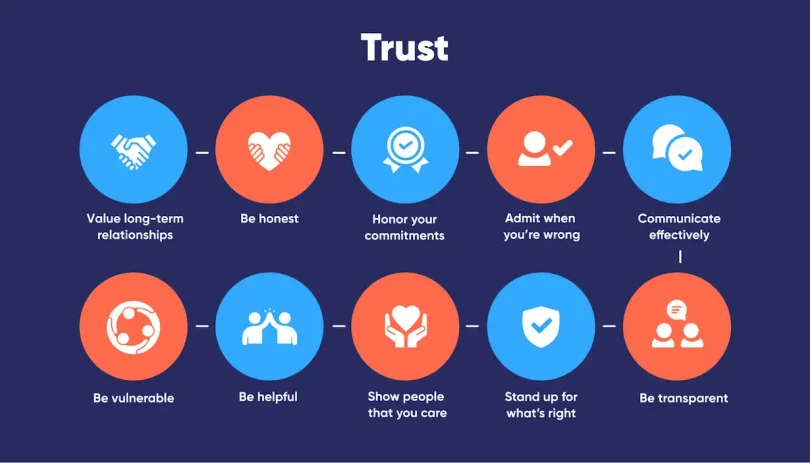

Trust is one of the most valuable things in any relationship. Whether it’s your family or your circle of friends, trust acts as the invisible glue that keeps you connected. It makes people feel safe, respected, and valued. Without trust, even the closest relationships can become fragile. The good news is that trust isn’t built overnight—it’s earned and strengthened over time through consistent actions, honesty, and understanding.
In this article, we’ll dive into practical and detailed tips to build trust with family and friends, so you can deepen your bonds and create lasting, meaningful connections.
1. Be Honest and Transparent

Honesty is the bedrock of trust. When you’re open about your thoughts and feelings, people know they can rely on you. For example, if you’re running late, let your family know instead of leaving them waiting and wondering. Being upfront—even about uncomfortable topics—creates a safe space where others feel they can be equally honest with you.
Remember, transparency doesn’t mean oversharing everything, but it does mean avoiding secrets or half-truths that could damage trust later.
2. Practice Active Listening
Many people think communication is all about talking, but listening is just as important. Active listening means giving your full attention to the other person—putting down your phone, making eye contact, and showing genuine interest.
For example, when your friend shares a challenge at work, instead of jumping in with advice immediately, pause and let them finish. Respond with something like, “That sounds really stressful. How are you coping with it?” This shows you value their feelings and perspective, which strengthens trust.
You may also like to read these posts:
You may also like to read these posts:
Healthy Lifestyle Tips For Beginners | Easy Guide
How To Stay Motivated During Challenges | Proven Tips
Techniques To Overcome Self-Doubt | Build Confidence
Positive Mindset Habits To Practice | Build Happiness & Success
3. Keep Your Promises
One of the simplest but most powerful tips to build trust with family and friends is to do what you say you’ll do. If you promise your sibling you’ll attend their school event, show up. If you tell a friend you’ll call them back, don’t forget.
Broken promises, even small ones, send the message that your word doesn’t matter. On the other hand, consistently following through builds reliability, which is the core of trust.
4. Show Empathy and Compassion
Trust deepens when people feel understood and cared for. Showing empathy means putting yourself in their shoes and trying to feel what they feel. For example, if your sibling is upset about failing a test, avoid dismissing it with “It’s not a big deal.” Instead, say, “I can see how hard you worked on that. I’m sorry you’re disappointed.”
Sometimes, people don’t want advice—they just want someone to acknowledge their emotions. That simple act of compassion creates a safe, trusting space.
5. Admit and Apologize for Mistakes

Everyone makes mistakes—it’s part of being human. But trust is damaged when you ignore your faults or shift blame. If you forget your friend’s birthday or say something hurtful in anger, the best way to rebuild trust is to admit it openly: “I messed up, and I’m really sorry. I’ll do better.”
A sincere apology shows accountability, humility, and respect, all of which strengthen trust. Remember, people don’t expect perfection—they expect honesty.
6. Invest in Quality Time
Trust doesn’t just grow in serious conversations; it’s built in everyday moments too. Spending time together—whether it’s having dinner with your family, going on a weekend trip with friends, or even a quick coffee chat—shows that you value their presence in your life.
These shared experiences create memories that remind your loved ones you’re not just there when it’s convenient, but because you truly enjoy being with them.
7. Be Present in Difficult Times
It’s easy to be around when life is good, but trust is tested during hard times. Standing by your friend during a breakup, helping your parents during a stressful situation, or comforting a sibling in moments of failure speaks louder than words.
For example, instead of saying “Let me know if you need anything,” take action—bring them a meal, lend a hand, or simply sit with them. Your presence during struggles shows reliability and builds trust on a deeper level.
8. Respect Boundaries and Privacy
Respect is a big part of trust. If someone shares something private with you, keep it confidential. Don’t break their trust by gossiping about it to others. Similarly, respect their need for space.
For example, if your friend isn’t ready to talk about an issue, don’t push them. Instead, let them know, “I’m here whenever you’re ready.” By respecting boundaries, you show that you value their comfort and individuality.
9. Celebrate Their Wins
Building trust isn’t just about being supportive in tough times—it’s also about being genuinely happy for your loved ones when things go right. If your friend gets promoted or your sibling achieves something big, celebrate with them wholeheartedly.
Jealousy or half-hearted congratulations can harm trust, while genuine joy shows that you’re truly invested in their happiness.
10. Stay Consistent
Consistency is what ties all these tips together. Being honest once, showing empathy once, or spending time once isn’t enough. Trust builds gradually when your actions align with your words again and again.
Consistency tells your family and friends, “This is who I am, and you can always count on me.” Over time, this reliability creates a strong foundation of trust that can withstand challenges.
FAQs
Q1. Why is trust important in family and friendships?
Trust creates safety, respect, and deeper emotional bonds. Without it, relationships can feel uncertain or weak.
Q2. How can I build trust with my family and friends?
Be honest, keep promises, listen actively, respect boundaries, and show empathy. Consistency is key.
Q3. What breaks trust in relationships?
Broken promises, dishonesty, lack of communication, and disrespecting boundaries are common causes of lost trust.
Q4. Can broken trust be repaired?
Yes, but it takes time. Admitting mistakes, apologizing sincerely, and showing consistent positive actions can rebuild trust gradually.
Q5. How does spending time together build trust?
Shared experiences create memories and show that you genuinely value the relationship, which strengthens mutual trust.
Final Thoughts
Building trust with family and friends isn’t about doing one big thing—it’s about the little things you do every day. Being honest, listening actively, keeping promises, showing empathy, respecting boundaries, and being there in both good and bad times all add up.
These tips to build trust with family and friends may sound simple, but when practiced consistently, they transform relationships into strong, lasting bonds. Trust is like a garden—it needs time, patience, and care to grow, but once it flourishes, it creates beauty and strength that lasts a lifetime.