Have you ever found yourself arguing over something small, only to realize later that the real problem wasn’t what you argued about, but how you communicated? If so, you’re not alone. Many relationships struggle because of poor communication, not because of lack of love.
The truth is, learning how to improve communication in relationships is one of the most powerful things you can do to strengthen your bond.
Good communication doesn’t just happen—it’s a skill. And like any skill, it takes practice, patience, and consistency.
Let’s explore why communication matters, what gets in the way, and simple steps you can take to talk and listen better in your relationship.
Why Communication Is the Heart of Relationships

Strong communication is the foundation of trust and connection. Think of it as the glue that holds everything together. Without it, misunderstandings grow, resentment builds, and distance creeps in. With it, you create a safe space where love can thrive.
Here’s what healthy communication does for your relationship:
- Builds trust – When you’re open and honest, your partner feels safe sharing too.
- Reduces conflicts – Many arguments are misunderstandings in disguise.
- Strengthens emotional intimacy – Talking openly helps you feel closer.
- Supports growth – Couples who communicate well grow together, not apart.
Practical Tips on How to Improve Communication in Relationships
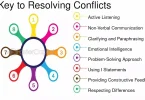
1. Practice Active Listening
Listening is more than just hearing words. Active listening means paying attention to the feelings behind the words. For example, if your partner says, “You never spend time with me,” instead of snapping back, pause and listen. Maybe what they’re really saying is, “I miss you, and I want us to connect more.”
💡 Try this: When your partner speaks, nod, make eye contact, and repeat back what you heard. Say, “So, you’re feeling left out when I work late. Did I get that right?” This shows you care about understanding.
2. Use “I” Statements, Not “You” Statements
Accusations shut people down. Instead of saying, “You always ignore me,” try, “I feel hurt when I don’t get your attention.”
“I” statements express your feelings without blaming. They shift the focus from attack to connection, which makes your partner more likely to listen calmly.
3. Be Aware of Nonverbal Cues
Communication isn’t just about words. Your tone, facial expressions, and body language all matter. Saying “I’m fine” with crossed arms and a frustrated look doesn’t match your words.
💡 Tip: Relax your body, keep your tone calm, and use open gestures. Sometimes, a gentle touch on the hand speaks louder than a whole speech.
4. Show Empathy and Kindness
Empathy means putting yourself in your partner’s shoes. Even if you don’t agree with their point of view, you can still acknowledge their feelings. For instance, if your partner says they’re stressed about work, instead of saying “It’s not a big deal,” try, “I know work has been tough for you lately. That must feel overwhelming.”
A little kindness goes a long way in making your partner feel supported.
You may also like to read these posts:
Top Skills To Learn For Job Advancement In 2025
11 Top Career Growth Strategies For Professionals In 2025
Mindset Shifts For Personal Growth | Guide To Success
Inspirational Stories To Boost Confidence | 12 Examples
5. Create a Safe, Distraction-Free Space
Meaningful conversations can’t happen in chaos. Phones buzzing, TV blaring, or kids running around—none of these set the stage for deep talks.
💡 Try this: Schedule “talk time” where both of you put away distractions and give each other undivided attention. Even 15 minutes a day of focused connection can make a big difference.
6. Learn the Art of Compromise
No two people will ever agree on everything, and that’s okay. Strong relationships are not about “winning” arguments but about finding balance. Compromise means giving up a little to meet in the middle.
💡 Example: If one of you loves going out and the other prefers staying in, agree to alternate date nights—one weekend at a restaurant, the next one at home.
7. Avoid Bottling Up Feelings
Holding things in might keep the peace temporarily, but long-term, it creates resentment. It’s healthier to express your feelings calmly before they build up.
💡 Tip: Use gentle openers like, “I’ve been feeling…” instead of exploding later with anger.
8. Stay Consistent and Patient
Improving communication is not a one-day job. You won’t become a perfect listener or speaker overnight. The key is consistency. Practice small improvements daily, and over time, your relationship will feel more open and connected.
Common Barriers to Communication

To get better, you also need to know what hurts communication. Some common barriers include:
- Interrupting before your partner finishes.
- Making assumptions instead of asking questions.
- Bringing up old fights during new discussions.
- Reacting defensively instead of staying calm.
- Avoiding difficult conversations out of fear.
Recognizing these habits in yourself (and your partner) is the first step to changing them.
Conflict and Communication: How to Argue Better
Disagreements are natural in every relationship. The goal is not to avoid arguments but to handle them in a healthy way. Here’s how:
- Stick to the issue at hand—don’t drag in the past.
- Take breaks if things get too heated.
- Respect differences—agree to disagree when needed.
- End arguments with reassurance. A simple, “I love you, even though we disagree,” softens the tension.
FAQs:
Q1: Why is communication important in relationships?
Good communication helps build trust, reduce conflicts, and create emotional intimacy, making relationships healthier and stronger.
Q2: What are some ways to improve communication in relationships?
Active listening, using “I” statements, showing empathy, avoiding distractions, and practicing compromise are effective strategies.
Q3: How can I express my feelings without starting an argument?
Use calm “I feel” statements instead of blaming language. For example, say “I feel upset when…” instead of “You always…”.
Q4: What are common barriers to communication in relationships?
Interruptions, defensiveness, assumptions, bringing up past conflicts, and avoiding tough conversations can all block healthy communication.
Q5: Can conflicts actually improve communication in relationships?
Yes—when handled respectfully, conflicts can help partners understand each other better and strengthen their bond.
Final Thoughts
Learning how to improve communication in relationships isn’t about becoming perfect—it’s about becoming more aware, open, and compassionate. Every time you practice listening, showing empathy, or expressing your feelings honestly, you build a stronger foundation for your relationship.
Remember: relationships don’t grow by avoiding difficult conversations—they grow when two people choose to face challenges together, with kindness and understanding.
So, the next time you talk to your partner, try listening a little deeper, speaking a little softer, and loving a little stronger. That’s how communication turns into connection.