
Have you ever felt like you’re trying your best but still not moving forward in life? Maybe you’re working hard, setting goals, and even pushing yourself, yet something still feels stuck. The truth is, growth doesn’t always depend on how much effort you put in—it depends on how you think. That’s where mindset shifts for personal growth come in.
Your mindset is like the lens through which you view the world. If that lens is cloudy with limiting beliefs, fear, or negativity, everything looks harder than it really is.
But when you shift your mindset, the same challenges suddenly feel like stepping stones instead of roadblocks. Let’s dive into some powerful mindset shifts that can help you grow personally, professionally, and emotionally.
1. From Fixed Mindset to Growth Mindset
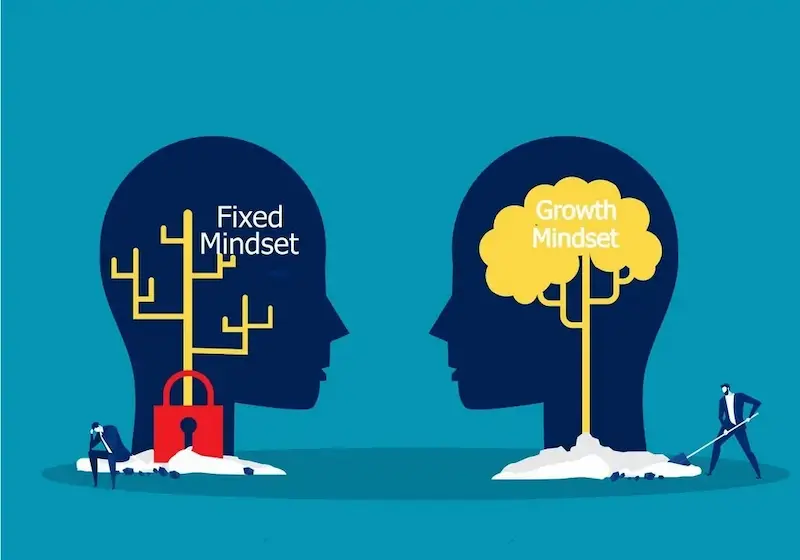
One of the biggest mindset shifts for personal growth is moving from a fixed mindset to a growth mindset.
- Fixed mindset: “I’m just not good at this.”
- Growth mindset: “I can learn this if I put in effort.”
Think about learning a new skill—maybe playing guitar, starting a business, or even running a marathon. If you believe your abilities are fixed, you’ll give up the moment things get tough. But if you adopt a growth mindset, challenges become opportunities to learn.
📌 Tip: Next time you fail at something, instead of saying “I’m not smart enough,” try reframing it: “I haven’t mastered this yet, but I can improve.” That single word—yet—is incredibly powerful.
2. From Victim Mentality to Ownership
Life throws curveballs at all of us. Some things are unfair, some are out of our control, and sometimes we feel like life is happening to us instead of for us.
But staying in a victim mindset (“Why me? Why is life so unfair?”) only makes you feel powerless. The shift happens when you move into ownership.
Ownership means recognizing that while you can’t control everything that happens, you can always control your response. That’s where your true power lies.
For example, losing a job is tough. But instead of saying, “This always happens to me,” ownership sounds like, “This hurts, but I can use this time to learn new skills or explore better opportunities.” That attitude not only helps you heal faster but also moves you forward.
3. From Scarcity to Abundance
Scarcity mindset says, “There’s not enough to go around.” It makes you compete, compare, and constantly feel like you’re lacking—whether it’s money, success, or even happiness.
An abundance mindset flips that. It helps you see that opportunities are endless, success isn’t limited, and growth is always possible.
👉 Instead of thinking, “There aren’t enough clients or jobs for me,” try shifting to, “There are countless ways I can create opportunities.” This simple change not only makes you feel more hopeful but also motivates you to take action you wouldn’t otherwise take.
Remember: Scarcity breeds fear. Abundance fuels creativity.
4. From Perfectionism to Progress
Perfectionism is sneaky—it feels like a strength because you’re always aiming high. But in reality, it often keeps you from even starting. You wait for the perfect time, the perfect conditions, or the perfect plan.
The problem? Perfection doesn’t exist.
Shifting to a progress mindset means valuing small steps forward instead of flawless outcomes. Done is better than perfect. Progress—even if it’s just 1% improvement every day—adds up to massive growth over time.
💡 Example: Instead of saying, “I’ll start working out when I find the perfect routine,” just start by walking 15 minutes a day. That small action builds momentum and confidence.
5. From Comparison to Self-Compassion (extra point)
Here’s one more powerful shift most people overlook: moving from comparison to self-compassion.
It’s so easy to scroll on social media and feel like you’re behind in life. But comparing yourself to others only steals your joy and distracts you from your own path.
Self-compassion means being kind to yourself, recognizing your progress, and reminding yourself that growth is personal—it doesn’t have to look like anyone else’s.
👉 Instead of thinking, “She’s way more successful than me,” try, “I’m proud of how far I’ve come, and I’m excited about where I’m going.”
6. From Fear of Failure to Embracing Failure
Most people avoid failure at all costs because they see it as proof of weakness. But here’s the truth: failure is not the opposite of success—it’s part of the journey toward it. Every setback carries a lesson, and those lessons are what build resilience, creativity, and confidence.
When you shift from fearing failure to embracing it, you stop holding yourself back from opportunities. Instead of thinking, “What if I fail?”, you start asking, “What can I learn if it doesn’t work out?”
💡 Example: Thomas Edison’s famous quote shows the power of this mindset—he didn’t see himself as failing 1,000 times when working on the light bulb. He saw it as discovering 1,000 ways that didn’t work, each bringing him closer to success.
👉 Embracing failure makes you courageous enough to try, and in trying, you create possibilities you’d never find if you stayed safe.
You may also like to read these posts:
Techniques To Overcome Self-Doubt | Build Confidence
Positive Mindset Habits To Practice | Build Happiness & Success
Daily Motivation Tips For Success | Stay Inspired Daily
Best Natural Remedies For Common Health Issues
7. From Comfort Zone to Growth Zone
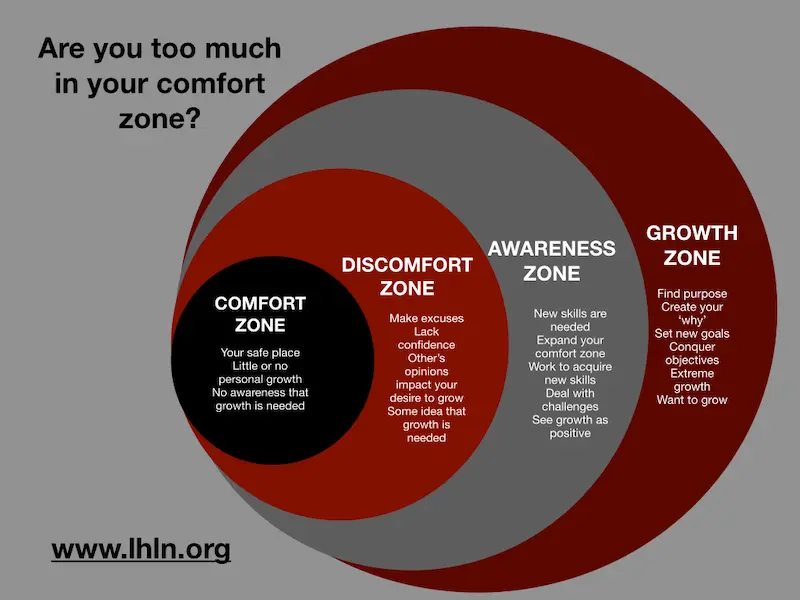
The comfort zone feels cozy and safe, but it’s also where growth goes to sleep. Staying there keeps you in routines, habits, and mindsets that don’t challenge you. The problem is, nothing new ever grows in comfort.
The growth zone may feel uncomfortable at first—it’s where you take risks, try new things, and stretch your limits. But discomfort is actually a signal of growth. That nervous energy you feel before speaking in public, starting a new job, or trying a new skill? That’s not failure—it’s proof you’re expanding.
👉 Next time you feel that discomfort, instead of saying, “I’m scared”, try reframing it: “This is me growing.” The more you practice stepping outside of your comfort zone, the easier it becomes, and the faster your personal growth accelerates.
8. From Entitlement to Gratitude
Entitlement tells you that the world owes you something. Gratitude reminds you that every opportunity, relationship, or blessing is a gift. When you’re stuck in entitlement, disappointments feel heavier because you expect life to give you what you want without effort.
Gratitude, however, shifts your perspective. Instead of focusing on what you don’t have, you start noticing the value in what you already do. This mindset not only makes you happier but also attracts more positivity because you’re tuned into abundance rather than lack.
A simple daily gratitude practice—like writing down three things you’re thankful for—can rewire your brain to naturally spot opportunities instead of obstacles. Over time, this shift builds resilience, optimism, and deeper fulfillment.
9. From Control to Acceptance
One of the biggest sources of stress is trying to control everything around us—people, outcomes, even the future. The reality? You can’t control it all. And the harder you try, the more drained you feel.
A powerful mindset shift is moving from control to acceptance. Acceptance doesn’t mean giving up or settling—it means recognizing what’s outside of your control and redirecting your energy to what is within your control: your actions, your choices, your attitude.
👉 Example: You can’t control how someone else behaves, but you can control how you respond. You can’t control every outcome, but you can control your preparation and effort.
This shift not only reduces stress but also brings peace. It frees you from fighting battles you can’t win and empowers you to focus on what truly matters.
Tools to Support Your Mindset Shifts
Changing your mindset doesn’t happen overnight—it’s like building a muscle. But with the right tools, you can practice daily and strengthen these shifts:
- Self-introspection: Spend a few quiet minutes each day reflecting on your thoughts. Ask yourself, “Is this belief helping me grow or holding me back?”
- Journaling: Write about your challenges, lessons, and progress. It’s a great way to catch limiting beliefs and reframe them.
- Gratitude practice: Focus on what’s going right. Gratitude rewires your brain to notice abundance instead of scarcity.
- Supportive communities: Surround yourself with positive, growth-minded people who encourage you and hold you accountable.
FAQs on Mindset Shifts for Personal Growth
1. What are mindset shifts for personal growth?
They’re changes in perspective that help you replace limiting beliefs with empowering ones for better growth.
2. Why are mindset shifts important?
Because your thoughts shape your actions. A positive mindset opens doors, while a negative one keeps you stuck.
3. How can I practice mindset shifts daily?
Start with journaling, gratitude, and reframing negative self-talk into empowering thoughts.
4. How do I move from a fixed to a growth mindset?
Believe skills can be learned. Replace “I can’t” with “I can improve with effort.”
5. How do I overcome fear of failure?
See failure as feedback. Each mistake is a lesson that brings you closer to success.
Final Thoughts
At the end of the day, personal growth isn’t about being perfect or achieving everything overnight. It’s about becoming a little bit better each day—and that starts with how you think.
The most important mindset shifts for personal growth—from fixed to growth, victim to ownership, scarcity to abundance, perfectionism to progress, and comparison to self-compassion—are life-changing because they free you from mental roadblocks and open doors you didn’t even know existed.
Remember, your mind is your most powerful tool. Once you shift your mindset, your entire life begins to shift with it.