

Life is full of ups and downs. Some days feel smooth and exciting, while others bring challenges, stress, or self-doubt. The difference between those who thrive and those who struggle isn’t that one group avoids problems—it’s that they develop the mindset to handle challenges with strength and hope.
A positive mindset doesn’t mean pretending everything is perfect. Instead, it’s about choosing to focus on possibilities instead of problems, on gratitude instead of lack, and on growth instead of fear. And the best part? You can train your mind to be positive by practicing simple, consistent habits every day.
Let’s explore some powerful positive mindset habits to practice that will help you build resilience, happiness, and success.
1. Practice Gratitude Every Day

Gratitude is one of the most effective ways to shift your mindset. It trains your brain to notice what’s going right instead of only focusing on what’s going wrong. Research even shows that people who practice gratitude feel less stressed and more satisfied with life.
How to do it:
- Keep a gratitude journal where you write three things you’re thankful for daily.
- Before bed, reflect on the best moment of your day.
- Say “thank you” more often—to family, friends, or even yourself.
Even small things like enjoying a good meal, having supportive people in your life, or simply being healthy are worth appreciating. Over time, this habit rewires your brain for positivity.
2. Challenge Negative Thoughts
Our minds often exaggerate problems, creating unnecessary stress. When negative thoughts appear, don’t just accept them—challenge them.
Ask yourself:
- Is this thought based on facts or assumptions?
- What evidence supports or disproves this thought?
- If my friend had this thought, what advice would I give them?
For example, if you think, “I’ll never succeed,” reframe it to, “Success takes time and effort, and I’m learning every day.” This simple shift makes a huge difference in how you feel and act.
3. Surround Yourself with Positivity
The company you keep and the content you consume affect your mindset more than you realize. If you’re surrounded by negativity, it’s harder to stay positive.
Practical tips:
- Spend time with people who encourage and support you.
- Reduce exposure to toxic relationships or environments.
- Follow social media accounts that inspire growth instead of comparison.
- Read books, listen to podcasts, or watch videos that uplift you.
When you fill your environment with positivity, your own thoughts and actions naturally reflect that energy.
4. Stay Physically Active
Your physical health and mental health are deeply connected. When you exercise, your body releases endorphins—natural chemicals that reduce stress and improve mood.
You don’t need to be an athlete to enjoy the benefits. Try:
- A 20–30 minute daily walk.
- Stretching or yoga in the morning.
- Dancing to your favorite music.
- Simple home workouts or light jogging.
Moving your body regularly gives you more energy, reduces anxiety, and builds the foundation for a positive mindset.
5. Use Positive Affirmations
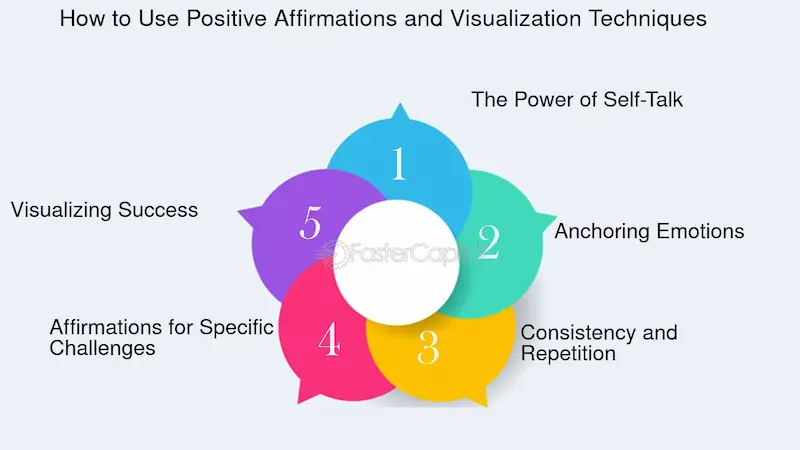
Your inner voice shapes your reality. If you constantly tell yourself you’re not good enough, you’ll start to believe it. Positive affirmations help replace self-doubt with confidence.
Examples of affirmations:
- “I am capable of achieving my goals.”
- “I choose to focus on progress, not perfection.”
- “Each day brings me closer to my dreams.”
Say these aloud in the morning, write them on sticky notes, or repeat them in front of a mirror. Over time, affirmations help reprogram your subconscious mind for positivity.
You may also like to read these posts:
Easy Fitness Routines At Home | Simple Daily Workouts
Healthy Lifestyle Tips For Beginners | Easy Guide
How To Stay Motivated During Challenges | Proven Tips
Techniques To Overcome Self-Doubt | Build Confidence
6. Set Realistic Goals
Setting goals gives direction and purpose, but if your goals are too unrealistic, they can create frustration and negativity.
Instead:
- Break big goals into smaller, achievable steps.
- Track your progress and celebrate milestones.
- Stay flexible—adjust your goals when needed instead of giving up.
For example, instead of aiming to “get fit in a month,” start with walking daily or exercising three times a week. These small wins create motivation and confidence to keep going.
7. Practice Mindfulness
Mindfulness means living in the present moment. Too often, we waste energy worrying about the future or regretting the past. Practicing mindfulness keeps your mind calm and focused.
Ways to practice mindfulness:
- Spend 5 minutes breathing deeply and observing your thoughts.
- Be fully present during meals—notice the flavors, textures, and smells.
- Put away distractions when talking to someone and truly listen.
- Take short “mindfulness breaks” during the day to pause and reset.
Mindfulness helps reduce stress, increases clarity, and strengthens your positive outlook.
8. Engage in Self-Care
You can’t pour from an empty cup. Taking care of yourself is essential for maintaining positivity and balance. Self-care isn’t selfish—it’s necessary.
Ideas for self-care:
- Get quality sleep each night.
- Eat nourishing meals that give you energy.
- Spend time doing hobbies you enjoy.
- Take breaks when you feel overwhelmed.
When you make time for self-care, you recharge your mind and body, making it easier to stay positive.
9. Perform Acts of Kindness
Helping others is one of the fastest ways to boost your own happiness. Acts of kindness not only make someone else’s day better but also strengthen your sense of purpose.
Ways to practice kindness:
- Compliment someone sincerely.
- Offer help to a colleague or friend.
- Donate to a cause you care about.
- Smile and greet people warmly.
Even the smallest gestures can spread positivity and create a ripple effect in your community.
10. Visualize a Positive Future
Visualization is a powerful tool for building a positive mindset. When you imagine your ideal future, your brain starts to believe it’s possible, motivating you to take real action.
How to visualize:
- Close your eyes and imagine reaching your goal—picture the details, feelings, and outcomes.
- Create a vision board with images, words, or quotes that represent your dreams.
- Spend a few minutes daily reminding yourself of your bigger “why.”
Visualization helps you stay hopeful and driven, even when challenges arise.
FAQs About Positive Mindset Habits to Practice
1. What are positive mindset habits?
Positive mindset habits are daily practices like gratitude, affirmations, mindfulness, and self-care that help you stay optimistic and resilient.
2. Why is a positive mindset important?
A positive mindset improves mental health, reduces stress, boosts confidence, and helps you handle life’s challenges with strength and hope.
3. How can I develop a positive mindset?
Start small by practicing gratitude, surrounding yourself with uplifting people, staying active, and using affirmations regularly.
4. Can positive mindset habits reduce stress?
Yes! Habits like mindfulness, exercise, and gratitude can lower stress levels, improve focus, and promote inner peace.
5. How long does it take to build a positive mindset?
It varies for each person, but with consistent practice, most people notice improvements in mood and outlook within a few weeks.
Final Thoughts
Positivity is not about denying reality or ignoring struggles—it’s about choosing to approach life with hope, resilience, and growth. By practicing gratitude, surrounding yourself with uplifting people, staying active, and using affirmations, you can slowly but surely build a stronger and healthier mindset.
These positive mindset habits to practice may seem simple, but when done consistently, they create powerful change. Start small, stay consistent, and remember: your thoughts shape your reality. Cultivate positivity, and you’ll open doors to happiness, success, and a more fulfilling life.