
Communication is the foundation of human connection. From personal relationships to professional success, the way we express ourselves—and how we listen to others—shapes nearly every part of our lives. Whether you’re leading a team, giving a presentation, or simply talking with friends, good communication can make all the difference.
But here’s the truth: communication doesn’t come naturally to everyone. Many of us struggle with expressing our ideas clearly, listening actively, or even understanding nonverbal cues. The good news? Learning how to improve communication skills is completely possible, and with consistent effort, you can become a more confident, effective communicator.
In this guide, we’ll explore why communication matters, common barriers, and practical steps to build stronger skills.
Why Strong Communication Skills Matter
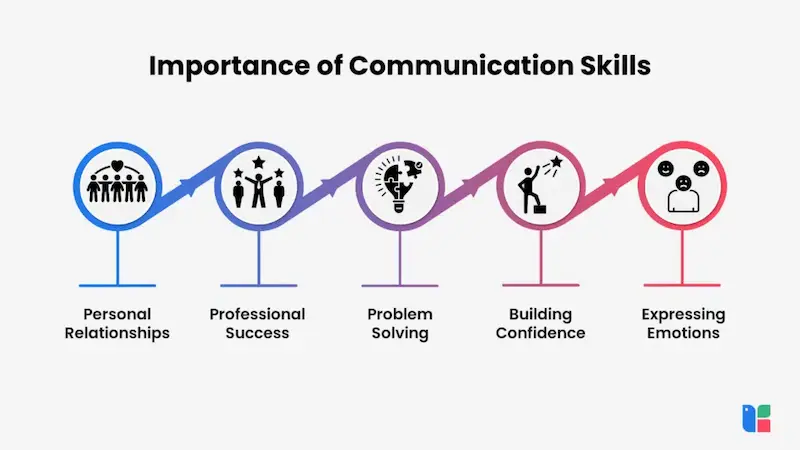
Before we jump into the “how,” let’s understand the “why.”
- Career growth: Clear communication helps you express your ideas, lead teams, and impress clients. Employers value employees who can communicate effectively.
- Healthy relationships: Being able to listen and express feelings strengthens personal bonds with family, friends, and partners.
- Confidence boost: When you know how to say what you mean, you naturally feel more confident in social and professional settings.
- Conflict resolution: Good communicators can handle disagreements calmly, turning arguments into constructive conversations.
- Networking opportunities: Whether at events or online, communication opens doors to new people and possibilities.
Simply put, if you master this skill, it can improve nearly every area of your life.
Common Barriers to Good Communication
Sometimes, communication breaks down because of hidden obstacles. Recognizing these helps you overcome them:
- Distractions (like phones or background noise).
- Assumptions (jumping to conclusions without listening fully).
- Poor body language (closed posture, no eye contact).
- Emotional reactions (anger or stress affecting tone).
- Overcomplicated language (confusing words that lose your audience).
Being aware of these barriers is the first step in learning how to improve communication skills.
10 Practical Ways to Improve Communication Skills
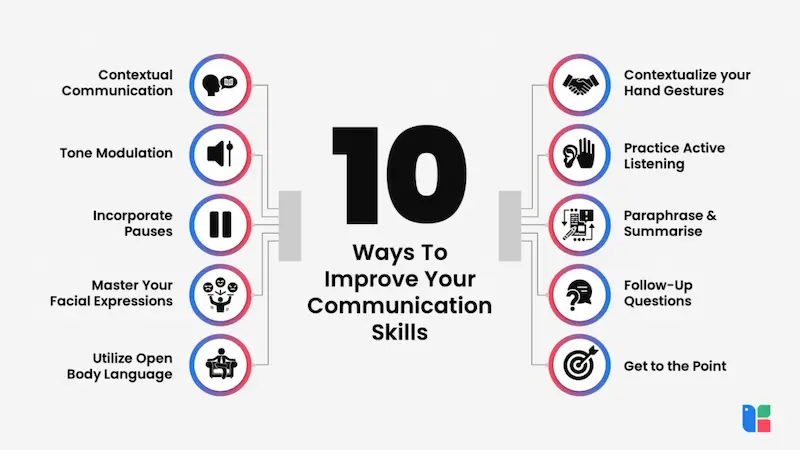
Now let’s break down actionable strategies you can start practicing today.
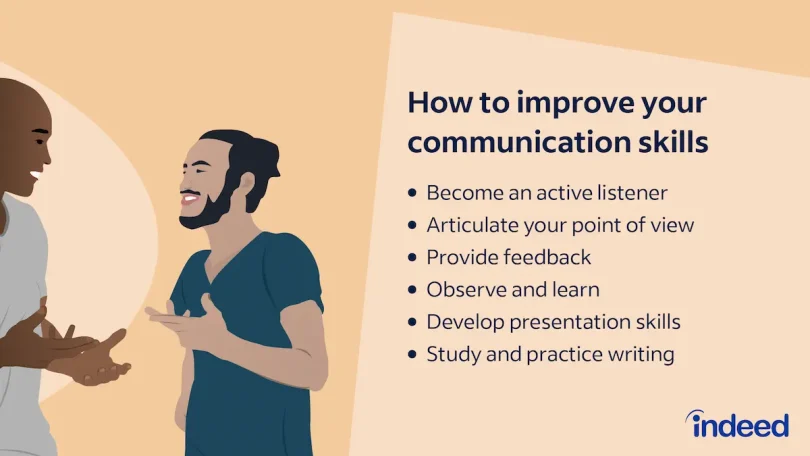
1. Practice Active Listening
Good communication starts with listening—not talking. Active listening means focusing fully on the speaker instead of planning your response.
- Maintain eye contact.
- Nod or give verbal cues like “I see” or “That makes sense.”
- Avoid interrupting.
- Summarize their points to show understanding.
Example: If a colleague says, “I’m stressed about the project deadline,” you can reply, “So you’re worried about finishing on time?” This shows empathy and clarity.
2. Be Mindful of Nonverbal Cues
Your body language often speaks louder than your words. To improve communication skills, align your body language with your message.
- Open posture shows confidence.
- Smiling makes you approachable.
- Avoid crossing arms (defensive gesture).
- Control nervous habits like fidgeting.
Remember, if your words say one thing but your body says another, people will trust your body language more.
You may also like to read these posts:
Inspirational Stories To Boost Confidence | 12 Examples
How To Improve Communication In Relationships Effectively
Best Online Courses For Skill Development | Learn Anytime
becameno.com/resume-writing-tips-for-job-seekers/
3. Speak Clearly and Concisely
Avoid rambling or using jargon that confuses people. Instead:
- Organize your thoughts before speaking.
- Use simple, everyday language.
- Break ideas into small, digestible points.
- Pause instead of filling silence with “um” or “like.”
Example: Instead of saying, “We should probably consider looking into some options regarding efficiency,” say, “Let’s find ways to work faster.” Clear and direct!
4. Develop Empathy
Empathy means putting yourself in the other person’s shoes. This helps you connect on a deeper level and avoid unnecessary conflicts.
- Consider their emotions before responding.
- Ask questions like, “How do you feel about this?”
- Respond with understanding rather than judgment.
By practicing empathy, you make people feel valued—and they’ll naturally communicate better with you.
5. Ask for Constructive Feedback
Sometimes we don’t notice our own habits. Maybe you talk too fast, cut people off, or use a monotone voice. Ask trusted people for honest feedback.
- “Do I explain things clearly?”
- “Do I interrupt too much?”
- “How can I make my communication stronger?”
This feedback helps you make targeted improvements.
6. Learn from Good Communicators
Observe speakers, leaders, or even colleagues you admire. Notice:
- How they pause for impact.
- How they use stories to explain points.
- How their tone changes to match emotions.
You don’t need to copy them, but you can adapt their techniques to your own style.
7. Keep Practicing in Real-Life Situations
Like any skill, practice is key. The more you communicate, the better you get.
- Join group discussions.
- Volunteer to give presentations at work or school.
- Start conversations with new people.
- Record yourself speaking and review it.
Even small, daily conversations help build confidence and fluency.
8. Adapt to Your Audience
Great communicators know their audience. Adjust your style depending on who you’re speaking to.
- With children → use simple, playful words.
- With professionals → use structured, clear language.
- With friends → be casual and relaxed.
Adapting ensures your message is understood and well-received.
9. Improve Written Communication Too
In today’s digital world, writing is just as important as speaking.
- Keep emails short and clear.
- Use proper grammar and tone.
- Avoid ALL CAPS (it feels like shouting).
- Be polite and professional.
Strong writing reflects strong thinking, which boosts your credibility.
10. Stay Calm and Confident in Difficult Situations
Tough conversations are part of life. Whether it’s giving feedback, handling criticism, or resolving conflict, staying calm is key.
- Breathe deeply before responding.
- Keep your tone respectful.
- Focus on solving the issue, not blaming.
Confidence under pressure shows maturity and earns respect.
Bonus Tips to Improve Communication Skills
- Read more: Books and articles expand vocabulary and ideas.
- Practice storytelling: Stories make your communication memorable.
- Work on your tone: Avoid sounding too harsh or too soft.
- Take a course: Public speaking or communication workshops can accelerate progress.
FAQs
Q1: What are the best ways to improve communication skills?
The best ways include active listening, clear speaking, using positive body language, practicing empathy, and asking for feedback.
Q2: How can I improve communication skills at work?
At work, focus on clarity, professionalism, and active listening. Adapt your style to colleagues, use positive tone in emails, and stay calm under pressure.
Q3: Why are communication skills important?
Strong communication helps you build better relationships, advance in your career, avoid conflicts, and express your ideas with confidence.
Q4: How long does it take to improve communication skills?
It varies for each person, but with regular practice, most people notice improvements in a few weeks to a few months.
Q5: Can I improve communication skills on my own?
Yes! You can practice daily by reading, recording yourself, joining conversations, and observing great communicators to learn their techniques.
Final Thoughts
Improving communication skills is not about becoming the loudest person in the room—it’s about being understood, building trust, and creating meaningful connections.
Start with small steps: listen actively, use positive body language, and speak with clarity. Seek feedback, practice often, and remember to adapt to your audience. Over time, you’ll notice people responding to you differently—conversations will flow smoother, relationships will deepen, and your confidence will soar.
The truth is, learning how to improve communication skills is a lifelong journey. But every effort you make today will bring you closer to becoming the communicator you aspire to be.