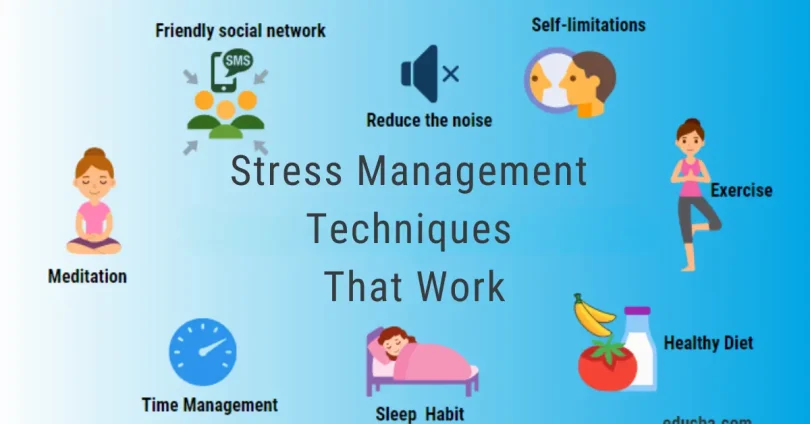

We all deal with stress—whether it’s from work, relationships, studies, or just the pressure of everyday life. The truth is, stress is a normal part of being human. But when it starts to feel overwhelming, it can affect your mood, health, and even your productivity.
That’s why learning stress management techniques that work is so important. Think of it as building your personal “toolbox” for calmness and resilience.
In this article, I’ll walk you through proven strategies you can use daily to keep stress in check.
1. Practice Deep Breathing Exercises
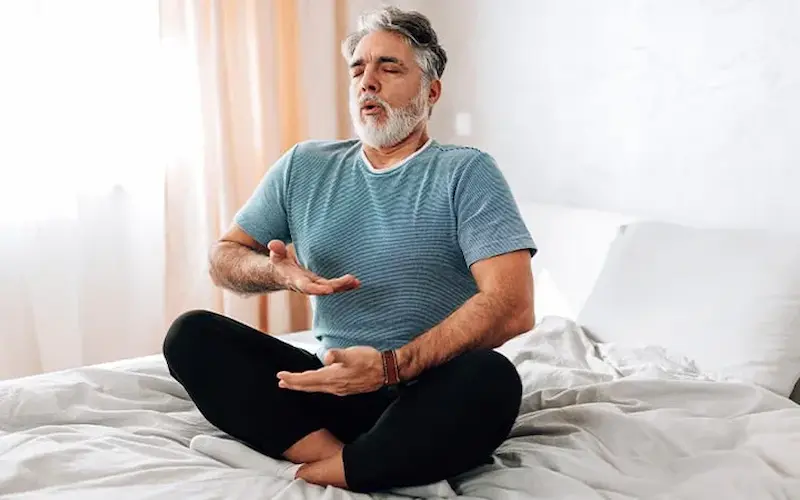
When you’re stressed, your body reacts instantly—your heart beats faster, muscles tighten, and your breathing becomes shallow. Deep breathing can reverse these effects almost immediately.
- How to do it: Sit comfortably, close your eyes, and inhale deeply through your nose for 4 seconds. Hold your breath for 4 seconds, then exhale slowly through your mouth for 6–7 seconds. Repeat for a few minutes.
- Why it works: It sends a signal to your nervous system to relax, lowering stress hormones.
This technique is simple but powerful—you can do it at work, before bed, or even during a stressful meeting.
2. Exercise to Release Tension
Physical activity isn’t just for fitness—it’s one of the most effective stress relievers. When you move your body, it releases endorphins (feel-good hormones) that instantly boost your mood.
- Go for a brisk walk outside.
- Try yoga or stretching to release muscle tension.
- Do 20 minutes of cardio like cycling, dancing, or jogging.
Even 10 minutes of movement can make a big difference in how you feel.
3. Manage Stress with Mindfulness & Meditation
Mindfulness means being present in the moment instead of worrying about the past or future. Meditation, on the other hand, helps calm your thoughts and reduce anxiety.
- Mindful tip: While eating, focus on the taste, smell, and texture of your food instead of scrolling on your phone.
- Meditation tip: Use an app or simply sit in silence, close your eyes, and focus on your breathing for 5–10 minutes.
Over time, mindfulness and meditation can rewire your brain to respond to stress in healthier ways.
4. Build Healthy Sleep Habits
Lack of sleep makes stress worse—it’s a cycle many of us fall into. A good night’s sleep improves your ability to handle challenges calmly.
- Stick to a regular bedtime schedule.
- Avoid screens (phones, laptops, TV) at least an hour before sleep.
- Create a relaxing routine: dim the lights, listen to calming music, or read a book.
Aim for 7–9 hours of quality sleep. Your body and mind will thank you.
You may also like to read these posts:
Mental Health Self-Care Strategies | Wellness Tips 2025
Nutrition Tips For Daily Wellness | Stay Healthy Daily
Easy Fitness Routines At Home | Simple Daily Workouts
Healthy Lifestyle Tips For Beginners | Easy Guide
5. Stay Organized and Manage Your Time
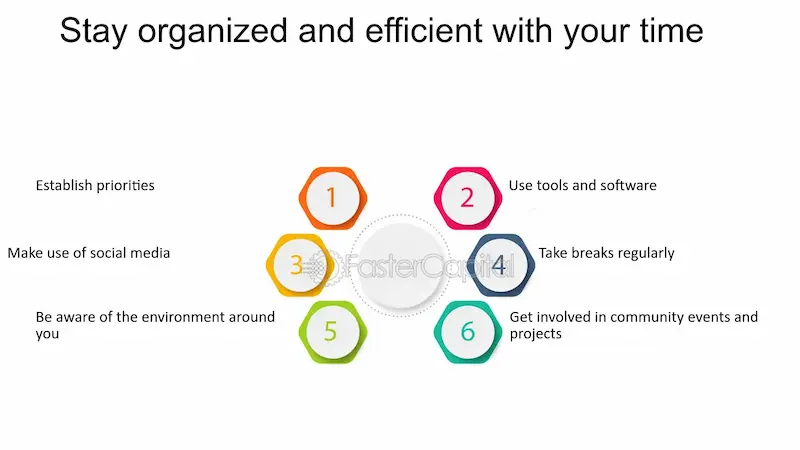
Sometimes stress comes from feeling like everything is happening at once. A little planning can bring big relief.
- Make a to-do list and prioritize tasks.
- Break big projects into smaller steps.
- Learn to say no when you’re overloaded.
Time management doesn’t just keep you productive—it also gives you space to rest and recharge.
6. Talk It Out
Bottling up stress makes it heavier. Sharing your feelings with someone you trust can lighten the load.
- Call a close friend or family member.
- Talk to a mentor or counselor.
- Join a support group if needed.
Sometimes, simply expressing your worries out loud makes them feel smaller.
7. Practice Relaxation Techniques
Along with breathing and meditation, there are other relaxation strategies you can try:
- Progressive muscle relaxation: Tense each muscle group for a few seconds, then release.
- Aromatherapy: Scents like lavender and chamomile promote relaxation.
- Soothing music: Create a playlist of calming sounds to ease your mood.
8. Fuel Your Body with Stress-Reducing Foods
What you eat affects how you feel. While caffeine, sugar, and processed foods can spike stress, certain foods help your body stay calm.
- Omega-3 rich foods (salmon, walnuts, chia seeds).
- Leafy greens like spinach and kale.
- Herbal teas (chamomile, green tea).
- Dark chocolate in moderation.
Hydration is just as important—drink enough water throughout the day.
9. Set Healthy Boundaries
In today’s world, it’s easy to feel stressed from constant notifications, social media, or work emails. Setting boundaries protects your mental health.
- Limit screen time.
- Create tech-free zones at home.
- Set clear work-life boundaries.
You’ll feel lighter when you take back control of your time and energy.
10. Practice Gratitude Daily
When stress feels overwhelming, focusing on gratitude shifts your mindset.
- Write down 3 things you’re thankful for each day.
- Express appreciation to loved ones.
- Keep a gratitude journal.
This small habit rewires your brain to focus on positivity rather than stress.
FAQs
Q1: What are the most effective stress management techniques that work?
A1: Some of the most effective techniques include deep breathing, mindfulness, exercise, journaling, and setting healthy boundaries.
Q2: How can stress management techniques improve daily life?
A2: By reducing anxiety, improving focus, and boosting mood, stress management techniques help you feel calmer and more productive each day.
Q3: Can stress management techniques work instantly?
A3: Some techniques like deep breathing and stretching provide instant relief, while others, like meditation or journaling, show results over time.
Q4: What is the easiest stress management technique to start with?
A4: Deep breathing and mindful pauses are the simplest techniques anyone can practice anytime, anywhere to quickly ease stress.
Q5: How often should I practice stress management techniques?
A5: Daily practice is ideal, even if it’s just 10 minutes. Consistency helps build resilience and keeps stress under control long term.
Final Thoughts
Stress is unavoidable, but it doesn’t have to control your life. By practicing these stress management techniques that work, you can create balance, build resilience, and enjoy more peace in your daily routine. Remember, it’s not about eliminating stress completely—it’s about learning to manage it in healthy, empowering ways.
Take it one step at a time, try different strategies, and find what works best for you. Your mind and body will thank you for it!