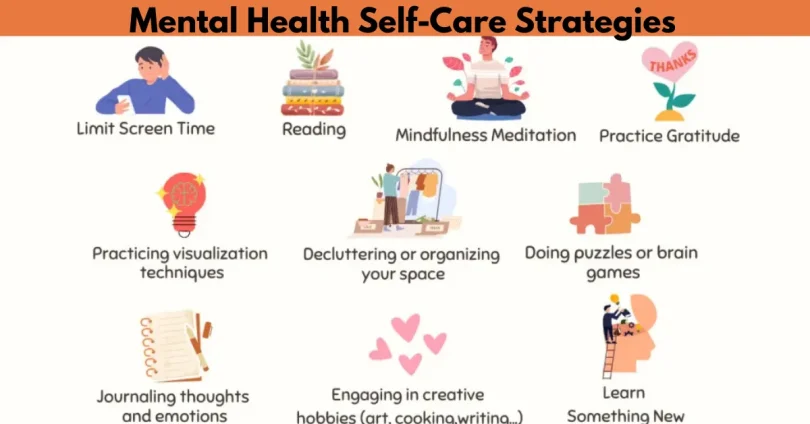

In today’s busy world, it’s easy to put your mental health at the bottom of your to-do list. Work, family, social media, and endless responsibilities can leave you drained and stressed. But here’s the truth: taking care of your mind is just as important as caring for your body. That’s where mental health self-care strategies come in.
Think of self-care as small steps you take daily to recharge your mental and emotional batteries. And no, it doesn’t have to be fancy spa days or expensive retreats (although those can be nice too!). It’s about simple habits that help you feel calmer, happier, and more balanced. Let’s walk through some practical strategies you can start today.
1. Create a Routine That Grounds You
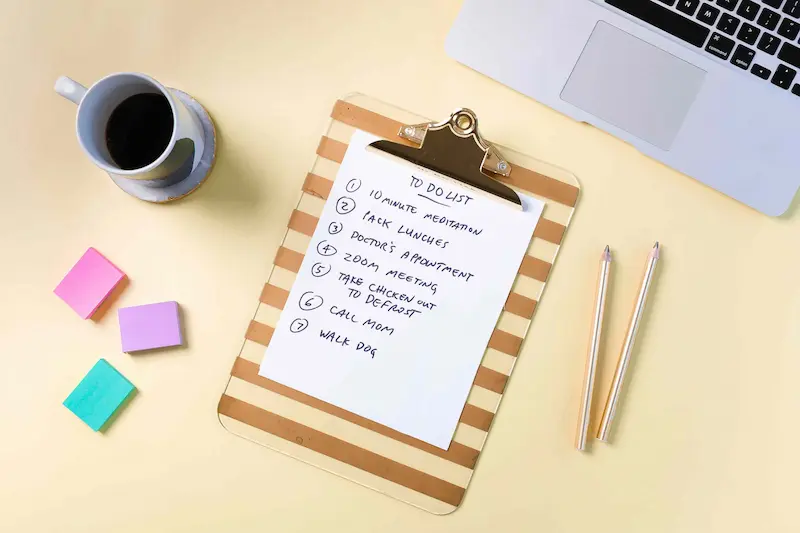
Your mind loves structure. Having a daily routine – waking up, eating, working, and relaxing at consistent times – gives you a sense of stability. Even little things like starting your day with a warm cup of tea or ending it with a short stretch can signal your brain that it’s time to reset.
Tip: Don’t overcomplicate it. Just pick two or three anchor points in your day (like morning journaling, a set lunch break, or a bedtime wind-down) and stick to them.
2. Practice Mindful Breathing and Meditation
One of the easiest and most powerful mental health self-care strategies is mindful breathing. Just 5 minutes of slow, deep breaths can calm racing thoughts and lower stress. Meditation apps or YouTube videos can guide you, but even sitting quietly and focusing on your breath helps.
Try this now: Inhale slowly for 4 seconds, hold for 2, exhale for 6. Repeat this a few times and notice how your body feels.
3. Move Your Body for Your Mind
Exercise isn’t only for physical fitness—it’s medicine for your brain. Moving your body releases endorphins (feel-good chemicals) that fight stress and anxiety. And you don’t have to run marathons—walking, dancing, yoga, or even a quick stretch count too.
Bonus tip: Pick activities you actually enjoy. If you hate the gym, try dancing in your living room or going for nature walks.
4. Nourish Your Body with Good Food
What you eat affects how you feel mentally. Foods rich in vitamins, minerals, and healthy fats fuel your brain and stabilize your mood. Think fruits, veggies, whole grains, nuts, and omega-3-rich fish.
Simple swaps:
- Replace sugary snacks with nuts or fruit.
- Drink more water instead of sodas.
- Add greens to one meal a day.
Eating well is one of the most overlooked self-care strategies, but it can make a huge difference.
You may also like to read these posts:
Stress Management Techniques That Work In Daily Life
Nutrition Tips For Daily Wellness | Stay Healthy Daily
Easy Fitness Routines At Home | Simple Daily Workouts
Healthy Lifestyle Tips For Beginners | Easy Guide
5. Sleep Like It’s a Priority (Because It Is!)

Sleep is your brain’s natural reset button. Lack of sleep can increase stress, anxiety, and irritability. Aim for 7–9 hours of quality rest each night.
Sleep hygiene tips:
- Go to bed and wake up at the same time daily.
- Avoid screens 1 hour before bed.
- Keep your bedroom cool, dark, and quiet.
6. Set Boundaries and Learn to Say “No”
If you always say yes to everyone, you’ll burn out quickly. Protecting your time and energy is an essential self-care strategy. Boundaries are not selfish—they’re healthy.
Example: If you’re too tired to attend an event, politely decline and rest instead. Remember, your mental health is worth protecting.
7. Connect with Supportive People
Humans are wired for connection. Spending time with people who uplift you can instantly improve your mood. A quick chat with a friend, a family dinner, or joining an online support group can help you feel less alone.
Pro tip: Surround yourself with positive, supportive people and distance yourself from toxic relationships.
8. Do Things That Bring You Joy
Sometimes, the best mental health self-care strategy is simply doing something that makes you smile. Whether it’s painting, gardening, reading, or listening to music—make time for hobbies that bring you happiness.
Ask yourself: “What’s one small thing I can do today just for me?” Then do it guilt-free.
9. Limit Screen Time and Social Media
Scrolling endlessly can increase stress, anxiety, and comparison. Instead of checking your phone first thing in the morning, try journaling, stretching, or simply enjoying your breakfast.
Practical tip: Set a daily limit for apps that drain your energy and replace that time with an activity that nourishes you.
10. Ask for Help When You Need It
Self-care doesn’t mean doing everything alone. Sometimes, the best strategy is seeking help—whether from a therapist, counselor, or trusted friend. Talking about your struggles is a sign of strength, not weakness.
FAQs
Q1: What are mental health self-care strategies?
A: These are simple habits and practices, like mindfulness, exercise, and journaling, that help maintain and improve emotional well-being.
Q2: Why are self-care strategies important for mental health?
A: They help reduce stress, boost resilience, improve mood, and create balance in your daily life.
Q3: How can I practice mental health self-care daily?
A: Start small—take short breaks, practice deep breathing, eat nutritious meals, and set healthy boundaries.
Q4: Can self-care strategies replace therapy or medication?
A: No, self-care complements professional help. Therapy and medication are still important if recommended by a doctor.
Q5: What’s the easiest self-care strategy to begin with?
A: Try practicing gratitude or a short mindfulness exercise daily. These small steps can have a big impact over time.
Final Thoughts
Mental health self-care strategies aren’t one-size-fits-all. The key is experimenting and finding what works best for you. Even small, consistent steps can create a big impact over time. Remember, your mind deserves care, just like your body does.
So, the next time you feel overwhelmed, try one of these strategies. Be kind to yourself. You’re doing your best, and that’s enough.