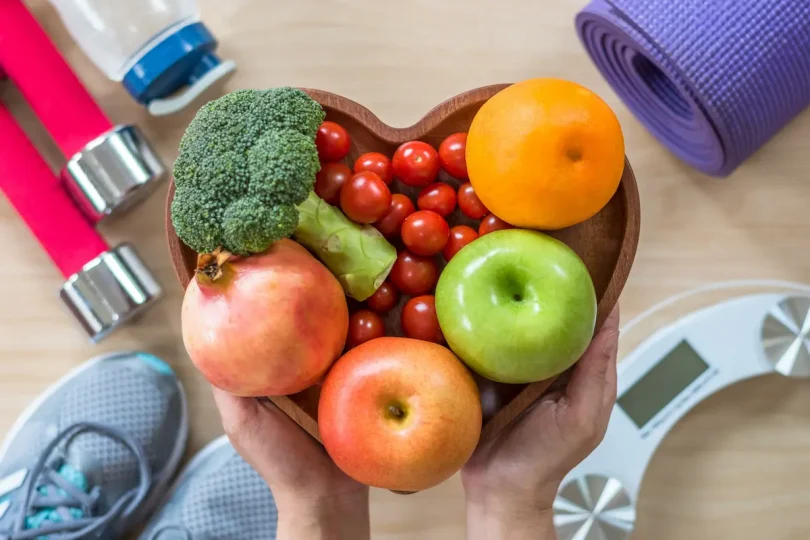

When it comes to living a healthy and balanced life, what you eat plays a huge role. Your food choices don’t just affect your body—they impact your energy levels, mood, and even how clearly you think.
The good news? You don’t need complicated diets, strict rules, or expensive “superfoods” to feel your best. With a few simple nutrition tips for daily wellness, you can fuel your body, boost your energy, and improve your overall well-being—all while enjoying food you actually love.
Let’s explore some practical steps you can start today.
1. Start Your Day with a Balanced Breakfast

Breakfast truly sets the tone for the rest of your day. When you skip it, you’re more likely to feel sluggish, snack on unhealthy foods, or overeat later. Instead of grabbing a sugary pastry or processed cereal, try to build a meal that includes:
- Protein for long-lasting energy (eggs, Greek yogurt, nut butter).
- Healthy fats for brain power (avocado, nuts, seeds).
- Fiber-rich carbs for satiety (oatmeal, whole-grain toast, fruit).
Examples:
- A bowl of oatmeal topped with berries and almonds.
- A veggie omelet with whole-grain toast.
- A smoothie with spinach, banana, peanut butter, and protein powder.
These options fuel both your body and your mind so you can start the day strong.
2. Stay Hydrated Throughout the Day
Hydration is one of the easiest yet most overlooked aspects of wellness. Even mild dehydration can cause fatigue, headaches, poor focus, and cravings.
Aim for 6–8 glasses of water a day, but remember: hydration doesn’t have to come from plain water alone. Herbal teas, infused water with lemon or cucumber, and even foods like watermelon and cucumbers count.
- Pro tip: Keep a reusable water bottle near your desk or in your bag as a reminder to sip throughout the day.
3. Include More Fruits and Vegetables
You’ve probably heard this since childhood, but it’s true—fruits and veggies are the foundation of good health. They’re rich in vitamins, minerals, fiber, and antioxidants that protect your body from disease and keep it functioning at its best.
A simple trick:
- Fill half your plate with vegetables at lunch and dinner.
- Snack on fruits instead of processed sweets.
- Mix veggies into soups, stir-fries, or smoothies.
Try to “eat the rainbow.” Each color provides different nutrients—for example, orange foods like carrots give you beta-carotene for eye health, while leafy greens provide iron and calcium.
You may also like to read these posts:
Stress Management Techniques That Work In Daily Life
Mental Health Self-Care Strategies | Wellness Tips 2025
Easy Fitness Routines At Home | Simple Daily Workouts
Healthy Lifestyle Tips For Beginners | Easy Guide
4. Choose Whole Grains Over Refined Carbs
Refined carbs like white bread, white rice, and pastries are stripped of nutrients and fiber, which means they spike your blood sugar and leave you hungry soon after. Whole grains, on the other hand, provide fiber and keep you full for longer.
Better swaps include:
- Brown rice instead of white rice.
- Whole-wheat bread instead of white bread.
- Oats or quinoa instead of sugary cereals.
These small swaps make a big difference in digestion, energy, and long-term wellness.
5. Don’t Skip Healthy Proteins
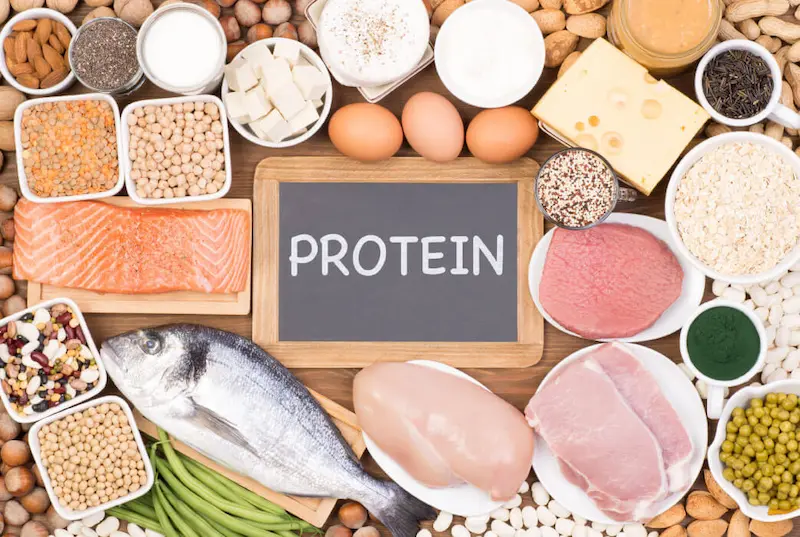
Protein isn’t just for athletes—it’s essential for everyone. It helps repair tissues, supports your immune system, and keeps your metabolism steady.
Great sources of protein:
- Lean meats (chicken, turkey, fish).
- Plant-based options (beans, lentils, tofu, quinoa).
- Everyday staples (eggs, Greek yogurt, nuts, seeds).
Try to include some protein in every meal—it helps prevent energy crashes and keeps you feeling satisfied.
6. Snack Smartly
Snacks can either boost your health or sabotage it. The trick is to choose foods that are both nutritious and satisfying.
Smart snack ideas:
- Apple slices with almond butter.
- A handful of mixed nuts or seeds.
- Carrot sticks with hummus.
- Plain Greek yogurt with a drizzle of honey.
- Air-popped popcorn.
Planning snacks in advance (like prepping snack boxes) can stop you from reaching for chips, cookies, or candy when hunger strikes.
7. Limit Processed and Sugary Foods
Processed snacks and sugary drinks may taste good in the moment, but they can lead to energy crashes, mood swings, and long-term health issues. That doesn’t mean you need to cut them out completely—it’s about moderation.
Instead of:
- Soda → try sparkling water with lime.
- Candy → grab a piece of fruit or a few squares of dark chocolate.
- Packaged chips → opt for roasted chickpeas or homemade trail mix.
Remember, balance is key. You don’t have to be perfect—just mindful.
8. Practice Portion Control
It’s not just what you eat, but how much you eat. Portion sizes have grown a lot over the years, which makes it easy to overeat without realizing it.
Tips for mindful eating:
- Use smaller plates and bowls.
- Eat slowly and savor each bite.
- Stop eating when you feel satisfied, not stuffed.
Listening to your body’s hunger and fullness cues helps you avoid overeating while still enjoying your meals.
9. Plan and Prep Your Meals
Life gets busy, and that’s when unhealthy choices sneak in. By planning your meals ahead of time, you can stay in control of your nutrition.
Meal prep doesn’t have to be overwhelming:
- Cook grains (like rice or quinoa) in bulk.
- Wash and chop veggies for the week.
- Pre-cook proteins like chicken or lentils.
- Store snacks (nuts, fruits, boiled eggs) in grab-and-go containers.
When healthy options are ready, you’ll be less tempted to grab fast food or skip meals.
10. Don’t Forget Balance, Not Perfection
This is perhaps the most important tip of all: wellness isn’t about perfection. It’s okay to enjoy pizza on Friday night or dessert at a birthday party. What matters most is what you do most of the time—not once in a while.
Focus on progress, not perfection. When your everyday meals are nourishing, occasional indulgences won’t hurt your health—they’ll simply make your lifestyle more sustainable and enjoyable.
FAQs About Nutrition Tips for Daily Wellness
Q1. Why is daily nutrition important for wellness?
Daily nutrition provides your body with the right fuel to function, boosting energy, immunity, and overall health.
Q2. What are some easy nutrition tips for beginners?
Start with balanced meals, drink enough water, avoid processed foods, and add more fruits and vegetables to your diet.
Q3. How can I stay consistent with healthy eating?
Plan your meals, prepare snacks in advance, and build small, realistic habits instead of drastic changes.
Q4. Do I need supplements for daily wellness?
Most people can get essential nutrients from a balanced diet. Supplements may help if you have specific deficiencies (consult your doctor).
Q5. What foods should I eat daily for better health?
Fruits, vegetables, whole grains, lean proteins, nuts, and seeds are great daily choices for maintaining wellness.
Final Thoughts
Daily wellness starts with small, consistent choices. By following these nutrition tips for daily wellness, you’ll boost your energy, improve your mood, strengthen your immunity, and support your long-term health.
The key is to start simple—choose one or two tips and make them part of your daily routine. Over time, these small habits will build into lasting lifestyle changes. Remember, eating well doesn’t have to be hard—it just takes a little mindfulness, balance, and care.