

Everyone experiences self-doubt at some point. Maybe you’re starting a new job, launching a business, preparing for an exam, or stepping into a role you’ve never tried before. Suddenly, your inner voice whispers things like, “What if I fail?” or “I’m not good enough.”
Here’s the truth: self-doubt is a normal part of growth. It often shows up when you’re pushing yourself outside of your comfort zone. The key isn’t to completely eliminate self-doubt (because that’s unrealistic) but to manage it and not let it control your decisions.
Let’s explore some detailed techniques to overcome self-doubt and build long-term confidence.
1. Practice Self-Compassion
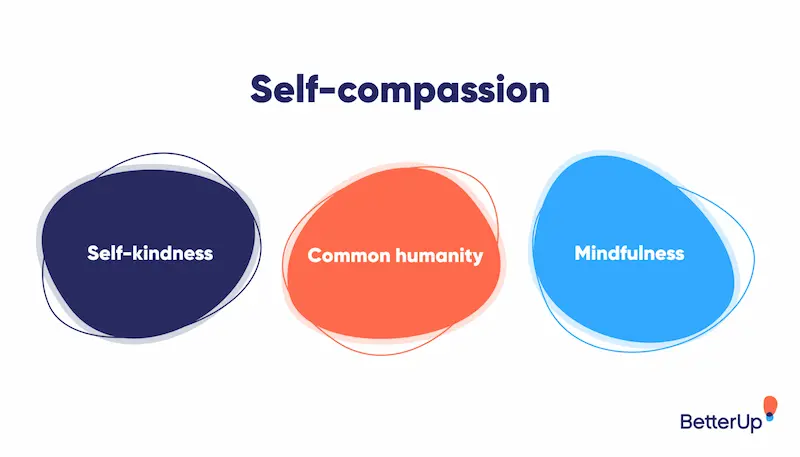
Most people are quick to be kind to others but harsh on themselves. When you make a mistake, do you instantly criticize yourself? If yes, it’s time to practice self-compassion.
Instead of saying, “I’m so stupid for messing this up,” try saying, “I made a mistake, but mistakes are part of learning. I’ll do better next time.”
Research shows that people who treat themselves with kindness are more resilient and less likely to give up when challenges appear. Self-compassion doesn’t mean ignoring your flaws—it means being patient with yourself as you work on them.
2. Challenge Negative Thoughts
Self-doubt often grows from negative self-talk. These are automatic thoughts like:
- “I’ll never be good enough.”
- “Others are more talented than me.”
- “What if I fail and embarrass myself?”
The technique here is to challenge these thoughts instead of accepting them as truth. Ask yourself:
- Is this thought based on facts or assumptions?
- Have I succeeded at something similar before?
- What would I tell a friend who feels this way?
Replacing “I can’t do this” with “I’ll give it my best and learn along the way” changes the way you approach challenges.
3. Set and Achieve Realistic Goals
Unrealistic expectations are one of the biggest causes of self-doubt. If you aim too high without preparation, failure can make you feel incapable.
Instead:
- Break large goals into smaller, achievable steps.
- Track your progress regularly.
- Celebrate small wins—they build confidence brick by brick.
For example, if your goal is to run a marathon, don’t start with 26 miles. Start with a 1-mile jog, then build up. Each milestone achieved proves your ability and weakens self-doubt.
You may also like to read these posts:
Nutrition Tips For Daily Wellness | Stay Healthy Daily
Easy Fitness Routines At Home | Simple Daily Workouts
Healthy Lifestyle Tips For Beginners | Easy Guide
How To Stay Motivated During Challenges | Proven Tips
4. Surround Yourself with Supportive People
The people around you play a huge role in how you see yourself. If you’re surrounded by negativity or constant criticism, self-doubt will grow.
Seek out friends, mentors, or colleagues who believe in your abilities and encourage you to keep going. Supportive people remind you of your strengths when you forget them yourself.
Remember: your environment shapes your mindset. Choose wisely.
5. Take Action, Even if You’re Afraid

One powerful way to silence self-doubt is through action. Many people wait until they feel confident before starting something, but confidence actually comes after you take action.
Think of it like swimming—you don’t gain confidence standing on the shore. You gain it once you step into the water.
Start small. Take one step toward your goal, no matter how nervous you feel. With every action, you prove to yourself that you’re capable, and your doubts begin to shrink.
6. Remember Your Past Successes
When self-doubt creeps in, it makes you forget all the times you’ve succeeded before. A helpful technique is to keep a “success journal.”
Write down achievements, compliments, or challenges you’ve overcome in the past. On difficult days, revisit these notes. They remind you that you’ve been through tough times before and still managed to succeed.
7. Avoid Social Comparison
Comparing yourself to others can be damaging. On social media, people usually post their achievements, not their struggles. If you compare your real life to someone’s highlight reel, self-doubt is inevitable.
Instead, focus on your own growth. Compare yourself to who you were yesterday, not to someone else’s today. Your journey is unique, and progress—no matter how small—matters.
8. Develop a Growth Mindset
A growth mindset means believing that skills and abilities can be developed through effort and learning. With this mindset, failures are no longer signs of weakness—they’re opportunities to grow.
For example:
- A fixed mindset says: “I failed, so I’m not good enough.”
- A growth mindset says: “I failed, but I can learn from this and improve.”
By adopting a growth mindset, you turn every setback into a stepping stone toward success.
9. Build Healthy Daily Habits
Your mental state is closely tied to your lifestyle. Habits like:
- Regular exercise (releases endorphins that fight negativity)
- Mindfulness or meditation (reduces stress and brings clarity)
- Journaling (helps process negative thoughts)
- Getting enough sleep (rested minds think clearly and positively)
These habits strengthen your mental resilience and give self-doubt less room to grow.
10. Seek Professional Guidance if Needed
Sometimes self-doubt becomes overwhelming and deeply rooted. In such cases, talking to a therapist or counselor can provide professional techniques to help you manage it. Seeking help is not weakness—it’s a step toward strength.
FAQs
Q1: What are the best techniques to overcome self-doubt?
The best techniques include self-compassion, positive affirmations, setting realistic goals, and surrounding yourself with supportive people.
Q2: Can self-doubt be completely eliminated?
Not entirely. Self-doubt is normal, but with the right mindset and habits, it can be managed so it doesn’t control your decisions.
Q3: How does taking action help with self-doubt?
Action builds confidence. The more you face challenges, the more you prove to yourself that you are capable, reducing self-doubt.
Q4: Why is a growth mindset important in overcoming self-doubt?
A growth mindset helps you see failures as learning opportunities, making it easier to stay motivated and bounce back stronger.
Q5: When should I seek professional help for self-doubt?
If self-doubt becomes overwhelming, constant, or affects your daily life, talking to a therapist or counselor can provide professional support.
Final Thoughts
Self-doubt is something everyone faces, but it doesn’t have to hold you back. By practicing self-compassion, challenging negative thoughts, surrounding yourself with positive people, and taking consistent action, you can rise above it.
Remember: progress is better than perfection. Every small step forward is proof that you are stronger than your doubts.