
Working in a team can be both exciting and challenging. On one hand, you have different ideas, strengths, and perspectives that can create something amazing. On the other hand, differences in opinion, communication issues, or unclear roles can lead to misunderstandings. That’s why learning tips for better teamwork and collaboration is so important.
Strong collaboration doesn’t just make projects successful—it builds trust, reduces stress, and helps everyone grow. Let’s dive deeper into practical ways you and your team can work together more effectively.
1. Foster Open and Honest Communication

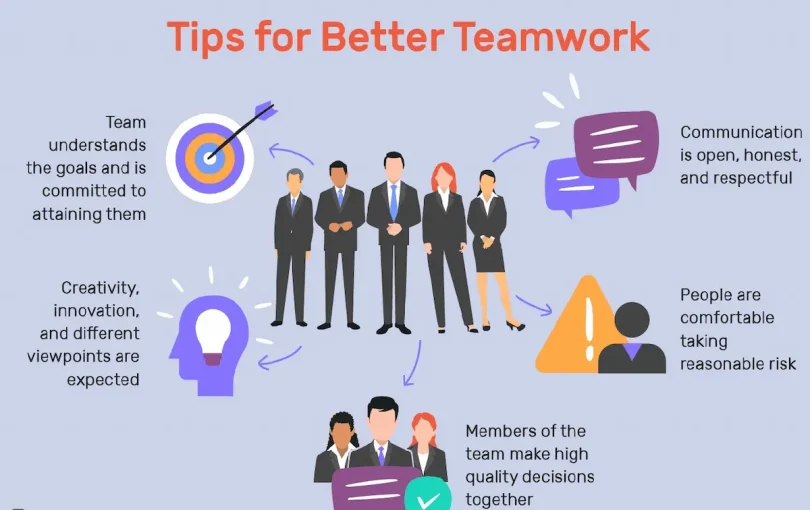
At the heart of every great team lies communication. Without it, even the best strategies can fall apart. Good communication isn’t just about talking—it’s about listening, understanding, and making sure everyone feels comfortable sharing their thoughts.
👉 Encourage team members to:
- Ask questions without hesitation
- Share updates regularly
- Express concerns respectfully
- Listen actively, not just wait for their turn to speak
When people feel heard, they naturally contribute more and misunderstandings decrease.
2. Set Clear Goals and Define Roles
Have you ever been part of a team where no one knew exactly what they were supposed to do? That’s a recipe for frustration. To make teamwork smoother:
- Define the overall goal so everyone knows what they’re working toward.
- Break it down into smaller tasks.
- Assign responsibilities clearly to avoid overlaps.
👉 Example: If the team is creating a marketing campaign, one person can focus on research, another on content writing, another on design, and another on social media management.
Clear goals and roles reduce confusion and keep everyone accountable.
3. Build Trust and Mutual Respect
Trust is the foundation of any strong team. Without it, collaboration feels forced and stressful. To build trust:
- Keep your promises—if you say you’ll deliver by Friday, deliver by Friday.
- Respect deadlines and each other’s time.
- Show appreciation for others’ efforts.
- Avoid gossip or negativity within the group.
👉 Remember: Respect doesn’t mean always agreeing. It means valuing different perspectives even when you disagree.
4. Celebrate Team Achievements
It’s easy to focus only on what went wrong, but don’t forget to celebrate what went right. Recognition motivates people and creates a positive team spirit.
- Acknowledge small wins, not just big ones.
- Give shoutouts during meetings.
- Share positive feedback publicly.
- Organize small celebrations after milestones.
👉 When people feel valued, they stay motivated and engaged.
You may also like to read these posts:
Techniques To Overcome Self-Doubt | Build Confidence
Positive Mindset Habits To Practice | Build Happiness & Success
Daily Motivation Tips For Success | Stay Inspired Daily
Best Natural Remedies For Common Health Issues
5. Use the Right Tools for Collaboration
In today’s world, teamwork often happens across locations and even time zones. The right tools can make or break collaboration.
- Use Slack or Microsoft Teams for communication.
- Try Trello, Asana, or ClickUp for task management.
- Store files on Google Drive or Dropbox for easy sharing.
- Use Zoom or Google Meet for virtual meetings.
👉 Tools keep everyone on the same page and prevent information from getting lost.
6. Encourage Team Bonding

Collaboration isn’t just about work—it’s also about relationships. Stronger bonds lead to better teamwork because people naturally support those they trust and like.
Ways to build team bonding:
- Host team lunches or coffee breaks.
- Play fun icebreaker games in meetings.
- Celebrate birthdays and special occasions.
- Encourage informal chats (not everything has to be about work).
👉 When people connect beyond tasks, they collaborate more smoothly.
7. Leverage Everyone’s Strengths
Every person brings something unique to the table. Some are natural leaders, some are detail-oriented, while others are creative thinkers. Great teams recognize and use these strengths instead of expecting everyone to be the same.
👉 Example:
- Let the “big-picture thinker” lead brainstorming.
- Assign the “detail-focused” member to handle planning.
- Allow the “creative” teammate to design presentations.
By using everyone’s strengths, you cover weaknesses and create balance.
8. Address Conflicts Quickly and Fairly
Conflict is normal, but ignoring it only makes things worse. To resolve conflicts:
- Stay calm and avoid personal attacks.
- Listen to both sides of the story.
- Focus on the issue, not the person.
- Find a solution that benefits everyone.
👉 Think of conflict as an opportunity—it can clear the air and actually improve teamwork if handled respectfully.
9. Encourage Feedback and Continuous Improvement
Feedback is like fuel for growth. It helps teams identify what’s working and what’s not. But it needs to be constructive, not harsh.
- Give feedback respectfully—focus on the behavior, not the person.
- Accept feedback openly without getting defensive.
- Review teamwork processes regularly and look for improvements.
👉 Example: After completing a project, hold a short review session to discuss what went well and what could be done better.
10. Invest in Learning and Development
A team that grows together stays together. Skill development not only helps individuals but also makes collaboration smoother because everyone brings new strengths.
- Attend workshops or webinars together.
- Share resources like books, podcasts, or online courses.
- Encourage cross-training so people understand each other’s roles.
👉 Teams that never stop learning are always prepared for new challenges.
FAQs About Tips for Better Teamwork and Collaboration
Q1. Why are teamwork and collaboration important?
They allow individuals to combine strengths, solve problems creatively, and achieve goals faster while building trust and respect within the group.
Q2. How can I improve communication in a team?
Encourage open dialogue, listen actively, ask clarifying questions, and use collaboration tools to ensure everyone stays informed.
Q3. What is the biggest barrier to teamwork?
Lack of trust, unclear roles, and poor communication are the most common barriers to effective teamwork and collaboration.
Q4. How do you resolve conflicts in teamwork?
Stay calm, listen to both sides, focus on the problem—not the person—and work toward a fair solution that benefits the whole team.
Q5. What are some simple ways to build team bonding?
Organize team lunches, celebrate achievements, play icebreaker games, and encourage casual conversations outside of work tasks.
Final Thoughts
Great teamwork doesn’t happen by luck—it takes effort, patience, and consistency. By focusing on open communication, clear roles, trust, recognition, and continuous learning, you can build a team that doesn’t just work together but thrives together.
Remember this: when people collaborate with respect and enthusiasm, the result is always greater than what any one person could achieve alone.