
Conflicts are a part of everyday life. They happen at home, with friends, in the workplace, or even in small daily interactions. While most people dislike conflict, avoiding it completely isn’t realistic.
What really matters is knowing how to resolve conflicts effectively so that disagreements don’t damage relationships but instead lead to growth, understanding, and better communication.
Let’s break down practical ways to handle conflicts in detail.
1. Stay Calm and Manage Your Emotions

The first step in conflict resolution is keeping your emotions in check. When anger takes over, people often say things they later regret. If you feel yourself getting heated, pause for a moment. Take a deep breath, count to ten, or even step away briefly before responding.
👉 Example: Imagine you’re upset with a colleague who didn’t finish their part of a project. Instead of immediately snapping, you could say, “I need a minute to collect my thoughts. Let’s discuss this in 10 minutes.” This prevents the conflict from escalating and sets the tone for a respectful conversation.
2. Use Respectful and Clear Communication
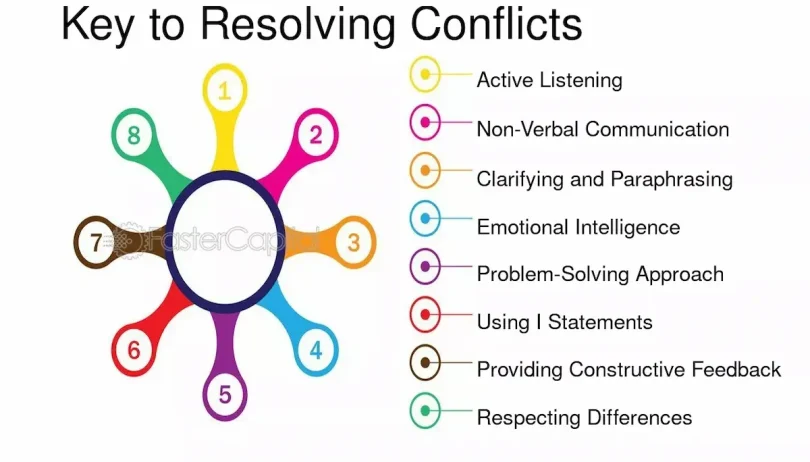
How you express yourself matters just as much as what you say. Blaming or criticizing puts the other person on the defensive. Instead, focus on explaining your own feelings and needs. Use “I” statements instead of “You” statements.
👉 Instead of: “You never listen to me.”
👉 Try: “I feel frustrated when I’m not heard during conversations.”
This keeps the focus on your feelings rather than attacking the other person, which makes it easier to find common ground.
3. Listen to Understand, Not to Reply
Active listening is one of the most powerful skills in conflict resolution. Too often, people only listen to prepare their comeback. To resolve conflicts effectively, you need to listen with the goal of understanding.
- Make eye contact.
- Avoid interrupting.
- Summarize what the other person said to confirm you understood.
👉 Example: “So what you’re saying is you felt ignored when I made that decision without asking you. Is that right?”
This simple step shows respect and reassures the other person that their perspective matters.
You may also like to read these posts:
Tips For Effective Time Management At Work | 2025 Guide
Top Skills To Learn For Job Advancement In 2025
11 Top Career Growth Strategies For Professionals In 2025
Mindset Shifts For Personal Growth | Guide To Success
4. Identify the Real Issue Behind the Conflict
Sometimes the problem being argued about isn’t the true issue. For example, a fight about leaving dishes in the sink may actually be about one partner feeling unappreciated.
To resolve conflicts effectively, ask deeper questions like:
- “What’s really bothering you here?”
- “Is this about the situation, or is there something more behind it?”
By identifying the root cause, you can address the real problem rather than just the surface issue.
5. Validate Emotions
Conflicts aren’t only about facts—they’re also about feelings. Acknowledging emotions can defuse tension and help people feel heard.
👉 Example: If your friend is upset because you canceled plans, you could say: “I understand why you’re disappointed. You were really looking forward to it.”
Validation doesn’t mean you agree with everything they say—it simply shows empathy, which makes it easier to move toward resolution.
6. Focus on Solutions, Not Blame
Pointing fingers keeps people stuck in the past, while focusing on solutions helps everyone move forward. Instead of arguing over who’s “right” or “wrong,” shift the conversation to finding ways to fix the issue.
👉 Example: Instead of “It’s your fault the project failed,” try, “What can we do differently next time to make sure this doesn’t happen again?”
This change in focus makes the conversation constructive instead of destructive.
7. Collaborate and Compromise
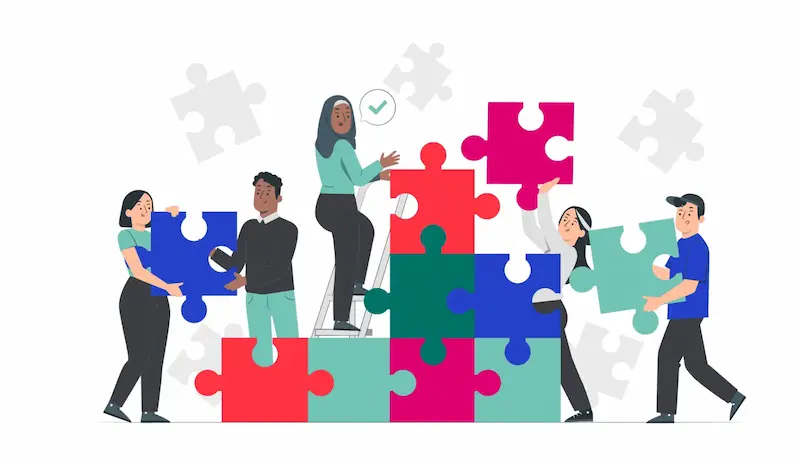
The best resolutions often involve collaboration. Work together to brainstorm solutions that meet both parties’ needs. Be flexible and willing to compromise if necessary.
👉 Example: If two siblings argue about chores, instead of fighting over who does what, they could agree to rotate tasks weekly. This way, both feel the arrangement is fair.
Remember, the goal isn’t for one person to “win” the conflict—it’s for both sides to feel satisfied with the outcome.
8. Involve a Neutral Third Party When Needed
Some conflicts are too complex or emotional to resolve on your own. In these cases, involving a mediator, counselor, or manager can help. A neutral third party provides perspective, keeps the discussion fair, and ensures both sides feel heard.
👉 Example: At work, if two colleagues can’t agree on responsibilities, a manager could step in to clarify roles and mediate a compromise.
9. Follow Up After Reaching a Resolution
Resolving a conflict doesn’t end when you shake hands or walk away. Following up shows that you truly care about the relationship and are committed to making things better.
👉 Example: After settling a disagreement with a friend, you might text later: “I’m glad we talked things through. I want to make sure we’re good now.”
This extra step ensures no lingering resentment remains and strengthens trust moving forward.
10. Learn and Grow From the Conflict
Every conflict teaches us something—about ourselves, the other person, and the relationship. Reflect on what went well in the resolution and what could be improved for next time. Over time, this helps you build stronger communication skills and more resilient relationships.
FAQs About How to Resolve Conflicts Effectively
Q1. Why is it important to resolve conflicts effectively?
Resolving conflicts effectively prevents damage to relationships, reduces stress, and creates healthier communication and understanding.
Q2. What are the first steps to resolve a conflict?
Stay calm, listen actively, and use respectful communication. These steps create a safe space for productive discussion.
Q3. How can I handle conflicts without blaming others?
Focus on “I” statements, such as “I feel frustrated when…” instead of blaming. This keeps the conversation constructive.
Q4. What if a conflict can’t be resolved directly?
If direct resolution fails, involve a mediator, counselor, or manager to guide the discussion toward a fair solution.
Q5. Can conflicts improve relationships?
Yes! When handled well, conflicts can strengthen trust, deepen understanding, and improve long-term communication.
Final Thoughts
Conflict is unavoidable, but it doesn’t have to be destructive. By staying calm, using respectful communication, actively listening, validating emotions, and focusing on solutions, you can learn how to resolve conflicts effectively in both personal and professional relationships.
When handled the right way, conflicts don’t just end problems—they strengthen understanding, respect, and trust. Think of each conflict as an opportunity to grow closer, rather than further apart.