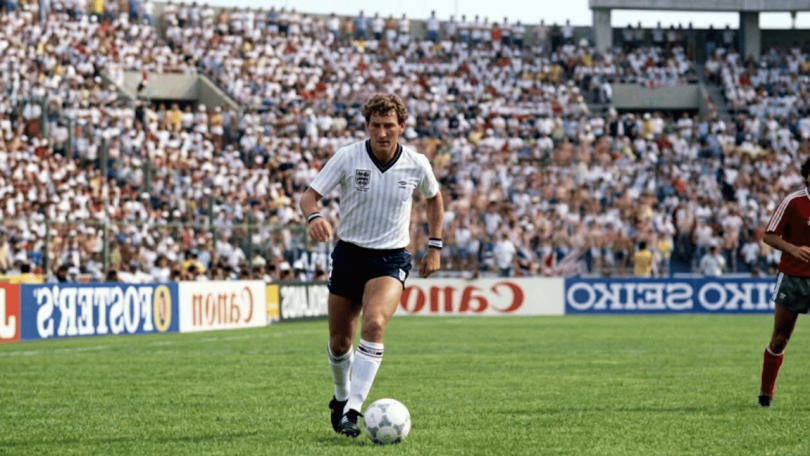

Every time football fans discuss the archetype of the uncompromising English defender, the iconic image of a blood-stained shirt brings the name of Terry Butcher to the forefront. This legendary figure represents a bygone era of grit and physical sacrifice that continues to trend among enthusiasts who value raw leadership. For those who track live match statistics and historical performance on platforms like nowgoal, the statistical footprint of such a dominant center-back offers a fascinating contrast to the ball-playing defenders of the current generation. Butcher remains a symbol of national pride, having served as the heartbeat of the England national team and high-profile domestic clubs throughout the eighties. Modern sports analytics suggests his aerial dominance and organizational skills would still translate effectively into today’s high-press systems.
The legacy of this defensive stalwart is often defined by his 1990 World Cup campaign, yet his technical proficiency is frequently undervalued. While casual observers remember the bandage, seasoned analysts using nowgoal mobi to review historical metrics note his impeccable timing and positioning. This duality of being a physical enforcer and a calculated reader of the game allowed him to maintain a top-tier career for nearly two decades. His presence often unsettled the most prolific strikers in Europe, creating a psychological advantage. His transition from a reliable club servant to an international captain showcased emotional intelligence and tactical awareness that few peers could match.
The Defensive Foundation at Ipswich Town
The professional journey of Terry Butcher began under the mentorship of Sir Bobby Robson at Ipswich Town, where he became a cornerstone of the club’s most successful period. During this era, the team captured the UEFA Cup in 1981, cementing the young defender’s reputation. His ability to organize a backline while providing a goal threat during set-pieces made him an indispensable asset. His partnership with other defensive stalwarts created a cohesive unit that was notoriously difficult for even the most creative Continental sides to break down.
One thing very few pay attention to is the sheer consistency he displayed at Portman Road, playing hundreds of matches with a relentless work ethic. For those who study the evolution of the center-back, his time at Ipswich serves as a masterclass in traditional man-marking combined with zonal awareness. It was during these formative years that he developed the vocal leadership style that would later define his captaincy for England. His departure to the Scottish league was a significant turning point, yet it only served to broaden his influence on the British game.
Tactical Discipline in the Robson Era
Under Robson, tactical demands were rigorous, requiring a blend of stamina and mental alertness. Butcher thrived, acting as the primary communicator between the goalkeeper and midfield. This role required him to anticipate movements before they developed into threats, a skill that earned him plaudits from rivals alike. His development was characterized by a rapid maturation from a promising youth prospect to a seasoned veteran.
Conquering the Continent: Our European Legacy
The 1981 UEFA Cup victory remains a career highlight, proving that a disciplined English defense could overcome technical foreign opposition. This success provided the platform for his international breakthrough. Notably, his performance in the final rounds demonstrated a level of composure that belied his age. This experience was crucial, giving him the confidence to lead his country in major international tournaments later in his career.
Leadership and Success in the Scottish Premiership
When Butcher moved to Rangers in 1986, he became a central figure in the “Souness Revolution” aimed at restoring the Glasgow giants. His arrival signaled a shift in power, as he brought a winning mentality and uncompromising style to Ibrox. In Scotland, he helped the club secure three league titles and multiple cups, leading by example during intense Old Firm derbies. His presence in the locker room was just as impactful as his performance, helping integrate other English imports into the unique culture of Scottish football.
Another key aspect of his time in Glasgow was how he adapted to a style that was often more physical and direct than the English First Division. Despite the challenges, he remained a model of consistency. For those who followed his progress via nowgoal mobi, his defensive statistics were among the best in the league. His departure from Rangers was marked by a move into player-management, illustrating his natural inclination toward leadership and coaching.
The Impact on the Rangers Defensive Culture
Before his arrival, the Rangers defense often lacked the rugged leadership required to sustain a title challenge. Butcher changed that dynamic instantly, instilling fearlessness and organization. He was a tactical anchor who allowed creative players to flourish without fear of being exposed at the back. This period is cited by fans as the foundation for the club’s subsequent dominance in the late eighties.
Navigating the Intensity of the Old Firm
The pressure of playing in Glasgow is unlike almost any other environment, yet the big defender thrived under the scrutiny. His ability to remain calm in the heat of a derby was a testament to his mental strength. For those who witnessed his performances, it was clear his leadership was the glue holding the team together. He became a cult hero at Ibrox for his defensive exploits and his clear passion for the supporters.
International Heroics and the England Captaincy
Representing England was the greatest honor of his career, and he did so with dedication rarely matched since. Butcher earned 77 caps, appearing in three consecutive World Cups (1982, 1986, 1990). His role in Italy 90 was particularly significant, as he captained the side to a semi-final finish. His leadership was instrumental in navigating a difficult group stage and overcoming tough knockout opponents.
His commitment was famously personified during a crucial qualifier against Sweden in 1989. Despite a deep head wound, he refused to be substituted, playing with a bandage that became soaked in blood. This image remains one of the most iconic in English sport. For those who analyze player influence, Butcher was the embodiment of the “never say die” spirit that coaches strive to instill.
Captaining the Three Lions in Italy 90
Leading the national team during a World Cup is a burden few can handle, yet he managed expectations with authority. His relationship with Bobby Robson was a key factor, as the two shared mutual trust from their Ipswich days. He was the vocal leader who kept the squad focused during the “Gazza-mania” that swept the country. His tactical instructions were vital in the quarter-final victory over Cameroon.
The Legacy of the Bloodied Shirt
The match against Sweden was a statement of intent that defined a generation. While modern safety protocols would prevent a player from continuing today, at the time, it was viewed as the pinnacle of professional bravery. This moment did not just inspire teammates but galvanized fans, creating a deeper connection with the national team. It serves as a reminder of a time when physical demands were worn as a badge of honor.
From Creative to Controller: Mastering the Media Pivot

Following retirement, the defender transitioned into a coaching career across various leagues. His managerial stints included Coventry City, Sunderland, Motherwell, and Inverness Caledonian Thistle. His experience in the Australian A-League provided a global perspective, enhancing his reputation as a knowledgeable football mind. While his record had ups and downs, his ability to motivate players and organize defensive structures remained a constant.
One thing very few pay attention to is his successful career as a media analyst. His deep understanding of defensive mechanics has made him a popular figure on television. For those who follow expert opinions on nowgoal mobi, his insights provide a bridge between traditional values and modern analytical approaches. He remains a respected voice, providing candid assessments of the England national team and the Premier League.
Developing Talent in the Dugout
As a manager, he was known for an “old school” approach combined with genuine care for young players. At Inverness, he led the team to significant success, proving he could achieve results with limited resources. His coaching philosophy was heavily influenced by the great managers he played under, emphasizing discipline, teamwork, and a strong defensive foundation. Many players have praised his ability to simplify complex tactical concepts.
A Defining Authority in the Digital Discourse
In the broadcast booth, he brings the same intensity he displayed on the pitch. His analysis is sought after during major tournaments, where his experience as an England captain provides unique value. He has stayed current with modern trends while advocating for fundamental defensive skills. This balance has allowed him to remain relevant in a rapidly changing media landscape.
The Enduring Influence of a Football Icon
The story of Terry Butcher is one of resilience, leadership, and an unwavering commitment to football. From European glory at Ipswich to the intense battles of the Scottish Premiership and the World Cup, he left an indelible mark. His career serves as a blueprint for aspiring defenders who wish to combine physical presence with tactical intelligence. Even as the game evolves with data-driven strategies found on platforms like nowgoal, the core values he represented remain vital.
Conclusion
For those who value the history of the sport, his contributions to the England national team and the various clubs he served will never be forgotten. He remains a figure of immense respect across the footballing world, recognized for his bravery on the field and his integrity off it. As we look toward the future of the game, the lessons learned from his storied career continue to influence coaches and players at all levels of the pyramid. The name Terry Butcher will always be synonymous with a level of defensive excellence that defines the very best of British football. Review the latest competitive shifts and historical player data by visiting nowgoal mobi today.